
Traditional German Men’s Outfit
Sale!


(9)
Original price was: $199.99.$149.99Current price is: $149.99.
This product has multiple variants. The options may be chosen on the product page
Sale!


Lederhosen
(6)
Original price was: $169.99.$129.99Current price is: $129.99.
This product has multiple variants. The options may be chosen on the product page
Sale!


Lederhosen
(2)
Original price was: $159.99.$109.99Current price is: $109.99.
This product has multiple variants. The options may be chosen on the product page
Sale!


(2)
Original price was: $169.99.$129.99Current price is: $129.99.
This product has multiple variants. The options may be chosen on the product page
Sale!


(9)
Original price was: $159.99.$109.99Current price is: $109.99.
This product has multiple variants. The options may be chosen on the product page
Sale!


Lederhosen
(7)
Original price was: $199.99.$149.99Current price is: $149.99.
This product has multiple variants. The options may be chosen on the product page
Sale!


Original price was: $179.99.$144.99Current price is: $144.99.
This product has multiple variants. The options may be chosen on the product page
Sale!
Original price was: $179.99.$144.99Current price is: $144.99.
This product has multiple variants. The options may be chosen on the product page
Sale!


Lederhosen
(2)
Original price was: $179.99.$129.99Current price is: $129.99.
This product has multiple variants. The options may be chosen on the product page
Sale!


Lederhosen
(9)
Original price was: $179.99.$129.99Current price is: $129.99.
This product has multiple variants. The options may be chosen on the product page
Sale!


Lederhosen
(6)
Original price was: $169.99.$119.99Current price is: $119.99.
This product has multiple variants. The options may be chosen on the product page
Sale!


(7)
Original price was: $199.99.$149.99Current price is: $149.99.
This product has multiple variants. The options may be chosen on the product page
When you think of traditional German clothing, the first thing that comes to mind is probably the iconic Lederhosen. But there’s so much more to traditional German men’s outfits than just leather shorts! These outfits are deeply rooted in German culture and history, often worn during festivals, celebrations, and special occasions. Traditional German men’s attire is not only stylish but also practical. Made from high-quality materials like leather, wool, and linen, these outfits are designed to last and provide comfort. Whether it’s the rugged charm of Lederhosen or the elegance of a Trachten jacket, each piece tells a story of German heritage and craftsmanship.
What is the Traditional German Outfit for Men?
The traditional German outfit for men is a symbol of pride, culture, and history. It’s a unique style of clothing that originated in the Alpine regions of Germany, particularly Bavaria. These outfits were originally worn by farmers, hunters, and working-class men but have since become a popular choice for festivals like Oktoberfest, weddings, and other cultural events. The traditional German men’s outfit is both functional and fashionable. It’s designed to withstand tough weather conditions while showcasing intricate craftsmanship and attention to detail. Today, it’s not just a piece of clothing but a celebration of German heritage and tradition.Tracht and Trachten
Tracht (pronounced "trakht") refers to traditional clothing in German-speaking regions, symbolizing regional identity and cultural pride. Originally worn daily in rural areas, it’s now reserved for special occasions and festivals. Bavarian Tracht, including Lederhosen, is the most recognizable style.Male German Dress Terminology
Here are some key terms you’ll often hear when talking about traditional German men’s outfits:- Lederhosen: Leather shorts or breeches, often knee-length, with suspenders.
- Trachten Jacket: A tailored jacket, usually made of wool or tweed, often featuring decorative embroidery.
- Bavarian Shirt: A checkered or plain shirt, typically in white, blue, or gray, worn under the jacket.
- Trachten Socks: Woolen socks, often in white or gray, worn with traditional shoes.
- Haferlschuhe: Traditional Bavarian shoes, sturdy and perfect for dancing or walking.
- Alpine Hat: A felt or wool hat, often decorated with feathers, pins, or cords.
Traditional German Attire Components for Men
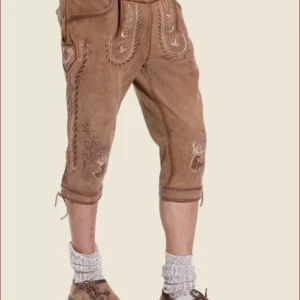
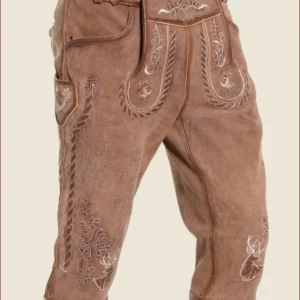
A traditional German men’s outfit is made up of several key pieces, each with its own purpose and style. Here’s a breakdown of the main components:- Lederhosen: The star of the outfit! Lederhosen are knee-length leather shorts, often decorated with embroidery and paired with suspenders. They’re durable, comfortable, and perfect for dancing at festivals.
- Checkered Bavarian Shirts: These shirts are usually made of cotton or linen and feature a classic checkered pattern. They’re lightweight and breathable, making them ideal for layering under a Trachten jacket.
- Trachten Socks: Woolen socks that add warmth and style to the outfit. They’re often paired with Haferlschuhe (traditional shoes) for a complete look.
- German Alpine Hats: No traditional outfit is complete without a hat! The Alpine hat, often made of felt or wool, adds a touch of elegance and is usually adorned with feathers or pins.
Historical Context of Men's German Outfit
Traditional German clothing has a rich history, evolving from practical wear for farmers and workers to symbols of regional identity and cultural pride. Handmade using materials like leather, wool, and linen, each region developed unique styles. Today, these outfits are celebrated, especially during festivals like Oktoberfest. In 1905, German men's clothing included both traditional and modern styles. Rural men wore Lederhosen and Trachten jackets, while urban men followed European fashion trends with suits and bowler hats. Historically, German men wore tunics, cloaks, and hose in medieval times; Lederhosen and woolen jackets in the 18th and 19th centuries; and a mix of traditional and modern attire in the early 20th century. The Lederhosen Shop specializes in all these traditional outfits, preserving Germany's rich cultural heritage.Essential Components of Traditional German Men's Outfit
The traditional German men’s outfit is a carefully curated ensemble that combines functionality, craftsmanship, and cultural significance. Each piece plays a vital role in creating the iconic look that’s celebrated worldwide. Here are the essential components:1. Lederhosen (Leather Shorts)
- Knee-length leather shorts with embroidery and suspenders.
- Durable and comfortable for outdoor activities and festivals.
- Made from high-quality leather.
2. Trachten Jacket
- Tailored wool or tweed jacket with embroidery or horn buttons.
- Adds sophistication and warmth.
- Traditional colors include green and gray.
3. Checkered Bavarian Shirt
- Lightweight checkered shirt (white, blue, or gray).
- Breathable and comfortable, worn under the Trachten jacket.
- Made from cotton or linen.
4. Trachten Socks
- Woolen knee-length socks (white or gray).
- Adds warmth and completes the outfit.
- Worn with traditional Haferlschuhe.
5. Haferlschuhe (Traditional Shoes)
- Sturdy lace-up leather shoes.
- Comfortable and durable for dancing or uneven terrain.
- Typically brown or black.
6. Alpine Hat (Trachten Hat)
- Felt or wool hat with feathers, pins, or cords.
- Finishing touch to the outfit and protection against elements.
- Traditional colors include green and gray.
7. Suspenders (Hosenträger)
- Leather or fabric straps with embroidery or designs.
- Functional and decorative.
- Matches Lederhosen.
8. Accessories
- Ties or Bow Ties: Adds a formal touch.
- Pocket Watch: Vintage charm.
- Knife (Hirschfänger): Decorative knife for festivals.
Lederhosen
Lederhosen, translating to "leather breeches," are knee-length leather shorts with embroidery, suspenders, and front flaps, designed as practical workwear for farmers and laborers. Pronounced as "LAY-der-ho-zen," the term follows German spelling rules.Who Can Wear Lederhosen
Traditionally worn by men, Lederhosen has become a unisex fashion statement in recent years, embraced by men, women, and children during cultural events like Oktoberfest. The key is to style them authentically and comfortably.Cultural Significance
Lederhosen symbolize Bavarian and German heritage, showcasing cultural pride, craftsmanship, festivity, and practicality. They are most closely associated with Germany, Austria, and parts of Switzerland and are celebrated worldwide during festivals like Oktoberfest.Types of Lederhosen
We have the following types of Lederhosen available:Short Lederhosen (Knee-Length)
- Iconic style ending at the knee, perfect for festivals.
- Features: Embroidery, front flaps, suspenders.
- Best for casual events and outdoor activities.
Long Lederhosen (Bundhosen)
- Extend below the knee, suitable for colder weather or formal occasions.
- Features: Detailed stitching.
- Best for winter events and formal gatherings.
Deer Skin Lederhosen
- Made from high-quality deer leather, soft and luxurious.
- Features: Intricate embroidery, rustic finish.
- Best for an authentic, high-end experience.
Lederhosen with Vest
- Paired with a matching leather vest for a polished look.
- Best for weddings and formal events.
Lederhosen with Suspenders
- Classic feature, adds a decorative touch.
- Best for festivals and cultural events.
Colors and Styles Available
- Traditional Colors: Brown (authentic), gray (versatile), black (formal).
- Modern Styles: Embroidered designs, distressed look, custom fit.
- Accessories: Matching hats, socks, shoes.